search
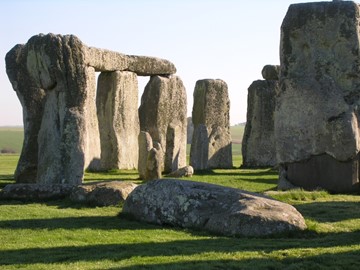
Stonehenge and Avebury
Stonehenge and Avebury, a UNESCO World Heritage site in the UK, are renowned prehistoric monuments. Stonehenge, a circular arrangement of massive standing stones, dates back to around 3000 BCE and is celebrated for its precise engineering and mysterious purpose, possibly linked to astronomical observations. Avebury, one of the largest Neolithic stone circles in Europe, features a vast ring of stones enclosing a village, constructed around 2600 BCE, and is associated with ancient rituals and gatherings. Toge... Read More
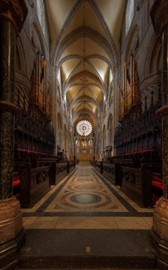
Durham Castle and Cathedral
Durham Castle and Cathedral, a UNESCO World Heritage site, is an iconic historic landmark in the UK, renowned for its Norman architecture and cultural significance. The cathedral, constructed in the late 11th and early 12th centuries, stands as one of the finest examples of Romanesque design, featuring a striking tower and intricate stone carvings. Adjacent to it, the castle, originally built as a fortress in the 11th century, later served as a residence for bishops and now houses university students, blend... Read More
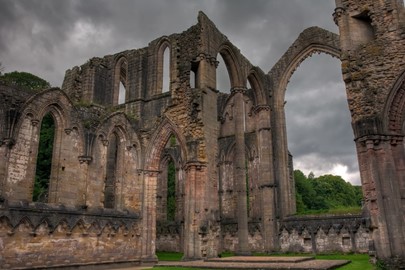
Studley Royal Park
Studley Royal Park, a UNESCO World Heritage site in the UK, is an exquisite 18th-century landscaped garden renowned for its elegant water features, manicured lawns, and historic architecture. The park encompasses the ruins of Fountains Abbey, a magnificent 12th-century Cistercian monastery, seamlessly blending natural beauty with cultural heritage. Its Georgian water garden, complete with canals, cascades, and classical statues, reflects the grandeur of its aristocratic origins. This harmonious estate stand... Read More
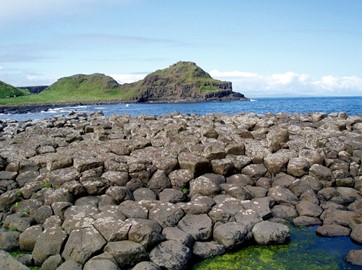
Giant's Causeway
The Giant's Causeway and Causeway Coast, a UNESCO World Heritage site, is renowned for its unique geological formations and stunning coastal scenery. This natural wonder features approximately 40,000 interlocking basalt columns, formed millions of years ago by volcanic activity, creating a dramatic landscape of hexagonal stones. The site also includes picturesque cliffs, bays, and beaches, attracting visitors for its beauty and scientific significance. Rich in mythology, it’s famously linked to the legend o... Read More
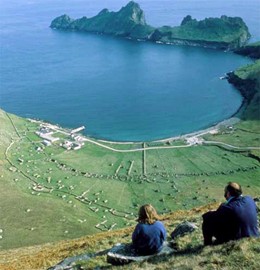
St. Kilda
St. Kilda, a UNESCO World Heritage site in the UK, is a remote archipelago renowned for its dramatic cliffs, abundant seabird colonies, and unique cultural history. Evacuated in 1930, it preserves evidence of over 2,000 years of human occupation, including ancient stone structures and a medieval village. Its isolation in the North Atlantic has fostered a pristine ecosystem, making it a critical haven for species like puffins and gannets. Today, it stands as a testament to both natural beauty and resilient h... Read More
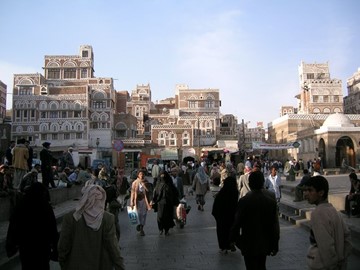
Sana'a
The Old City of Sana'a, a UNESCO World Heritage site, is renowned for its unique architecture featuring multi-story tower houses made of rammed earth and decorated with intricate geometric patterns. This historic city, inhabited for over 2,500 years, showcases a rich cultural legacy with its ancient mosques, bustling souks, and traditional hammams. Its preservation reflects Yemen's historical significance as a center of trade and Islamic scholarship.
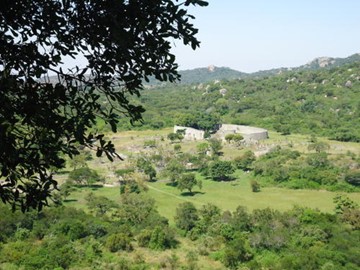
Ruins of Great Zimbabwe
The Great Zimbabwe National Monument, a UNESCO World Heritage site, is an ancient stone city built between the 11th and 15th centuries by the Shona people. It features impressive dry-stone architecture, including the iconic Great Enclosure and conical tower, reflecting a sophisticated civilization that once thrived as a political and economic hub. The site, abandoned by the 15th century, stands as a testament to African ingenuity and cultural heritage, drawing global interest for its historical significance... Read More
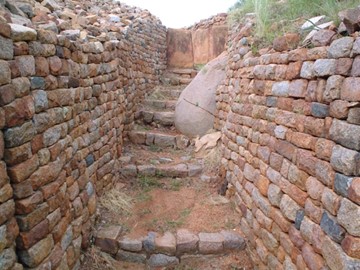
Khami Ruins
The Khami Ruins National Monument, a UNESCO World Heritage Site in Zimbabwe, showcases the remnants of a once-thriving capital of the Torwa dynasty, established after Great Zimbabwe’s decline in the mid-16th century. Renowned for its terraced stone architecture, the site reflects advanced engineering and artistic skill, with discoveries of European and Chinese artifacts highlighting its role as a key trading hub. Designated in 1986, it offers a glimpse into the region’s rich archaeological and cultural hist... Read More
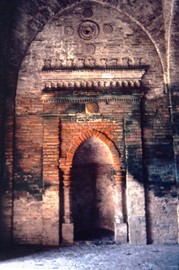
Bagerhat
Bagerhat, a UNESCO World Heritage site in Bangladesh, is a historic city famed for its remarkable collection of 15th-century mosques and mausoleums. Built by the Muslim ruler Khan Jahan Ali, its architectural gems, like the Sixty Dome Mosque with its intricate brickwork, showcase early Islamic design in the region. Set amidst a tranquil landscape of water tanks and ruins, it reflects a blend of spirituality and urban planning. This ancient site stands as a testament to Bangladesh’s rich cultural and archite... Read More
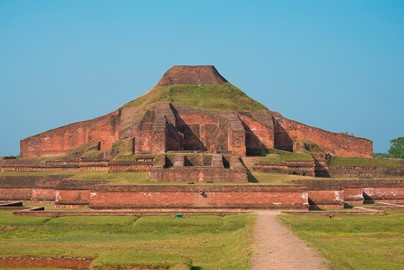
Buddhist Vihara
Buddhist Vihara, a UNESCO World Heritage site in Bangladesh, is an ancient monastic complex renowned for its historical and archaeological significance. Dating back to the 7th century, this sprawling ruin features a central cruciform temple surrounded by monastic cells, reflecting early Buddhist architecture and community life. Excavations have uncovered intricate terracotta plaques and artifacts, offering insights into the region’s religious past. This well-preserved site stands as a vital link to Banglade... Read More
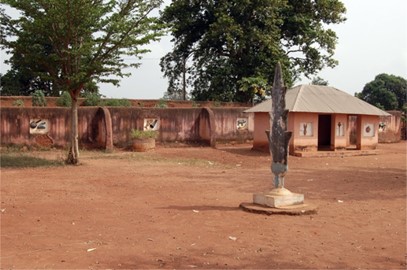
Royal Palaces of Abomey
The Royal Palaces of Abomey, a UNESCO World Heritage site in Benin, are a historic complex of earthen structures built by the Fon kings between the 17th and 19th centuries. Spanning 12 palaces, they feature intricate bas-reliefs and artifacts that narrate the kingdom’s history, culture, and power. Recognized by UNESCO in 1985, the site reflects the architectural ingenuity and political legacy of the Dahomey Kingdom. Despite past damage, it remains a striking symbol of Benin’s royal heritage.
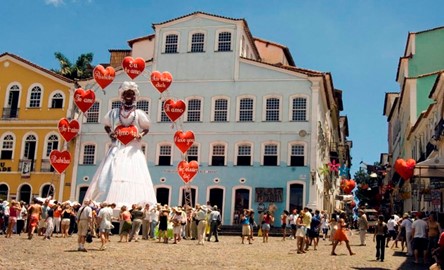
Salvador da Bahia
The Historic Centre of Salvador de Bahia, a UNESCO World Heritage site in Brazil, is a colorful colonial district renowned for its Afro-Brazilian culture and architecture. Established in 1549 as Brazil’s first capital, it features cobblestone streets, vibrant churches, and 16th-century buildings blending Portuguese and African influences. Recognized by UNESCO in 1985, it’s a living testament to the country’s early history and cultural fusion. Salvador remains a dynamic symbol of Brazil’s diverse heritage.
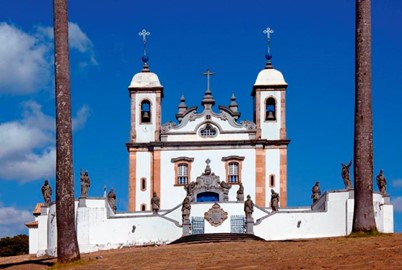
Sanctuary of Bom Jesus do Congonhas
The Sanctuary of Bom Jesus do Congonhas, a UNESCO World Heritage site in Brazil, is an 18th-century Baroque complex celebrated for its artistic and religious significance. Featuring a church, ornate staircases, and 12 life-sized soapstone statues of prophets by sculptor Aleijadinho, it reflects colonial mastery. Inscribed by UNESCO in 1985, it stands as a pinnacle of Brazilian sacred art and architecture. The sanctuary remains a striking emblem of the country’s cultural heritage.
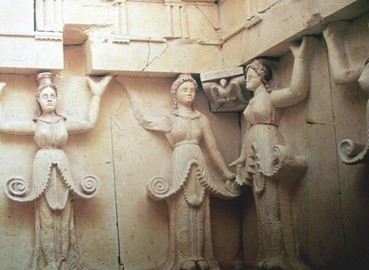
Thracian Tomb of Sveshtari
The Thracian Tomb of Sveshtari, a UNESCO World Heritage site in Bulgaria, is a 3rd-century BCE masterpiece of Thracian architecture and art. This well-preserved burial chamber, featuring a unique decorative frieze of ten caryatid-like female figures, showcases exceptional craftsmanship and offers insight into Thracian funerary practices and beliefs. Celebrated for its historical and cultural value, it reflects the sophistication of an ancient civilization in the region.
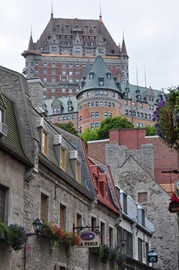
Québec
Old Québec, a UNESCO World Heritage site in Canada, is a historic gem founded in 1608, showcasing North America’s best-preserved colonial fortified city. With its cobblestone streets, 17th- and 18th-century architecture, and landmarks like the Château Frontenac, it reflects French cultural roots and early European settlement. Recognized for its historical and architectural value, it stands as a living testament to Canada’s colonial past.
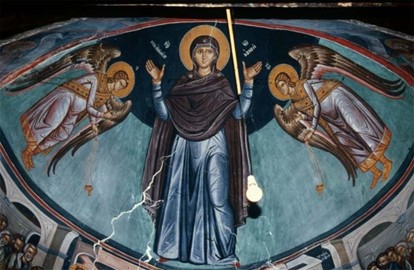
Painted Churches in the Troodos Region
The Painted Churches, a UNESCO World Heritage site in Cyprus, are a collection of ten Byzantine churches renowned for their exceptional frescoes and murals dating from the 11th to 16th centuries. Nestled in a mountainous region, these small, stone-built structures showcase a unique blend of Byzantine and post-Byzantine art, reflecting the island's rich cultural and religious history. Their well-preserved wall paintings depict biblical scenes, saints, and intricate decorative patterns, offering a glimpse int... Read More
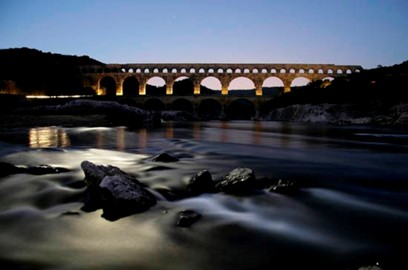
Pont du Gard
Pont du Gard, a UNESCO World Heritage site in France, is an ancient Roman aqueduct bridge built in the 1st century AD to carry water across a river valley. Standing three tiers high, its massive stone arches showcase remarkable engineering and durability. Constructed without mortar, it remains one of the best-preserved structures of its kind. The bridge once supplied a thriving Roman colony with fresh water, highlighting advanced infrastructure. Its elegant design blends seamlessly with the natural landscap... Read More
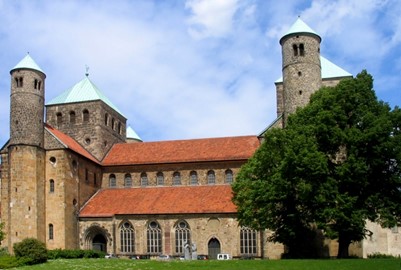
Hildesheim Cathedral and St Michael's Church
Hildesheim Cathedral and St. Michael’s Church, a UNESCO World Heritage site in Germany, represent outstanding examples of early Romanesque architecture. The cathedral, dedicated to St. Mary, features the famous bronze Bernward Doors and a 1,000-year-old rose bush, symbolizing resilience. St. Michael’s Church, built under Bishop Bernward’s patronage, showcases intricate design and a unique painted ceiling depicting the Tree of Jesse. Together, these landmarks highlight medieval artistry and religious signifi... Read More
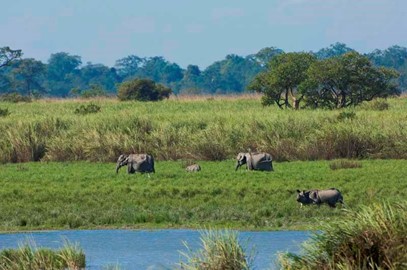
Kaziranga
Kaziranga National Park, a UNESCO World Heritage Site in India, is renowned for its rich biodiversity and conservation success. It serves as a critical habitat for the world’s largest population of the Indian one-horned rhinoceros, alongside tigers, elephants, and numerous bird species. The park’s unique ecosystem, featuring grasslands, wetlands, and forests, supports a thriving wildlife population and attracts global attention for its natural heritage.
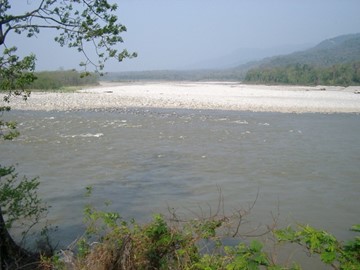
Manas Wildlife Sanctuary
Manas Wildlife Sanctuary, a UNESCO World Heritage site in India, is a biodiversity hotspot renowned for its rich flora and fauna. This protected reserve is home to numerous endangered species, including the Bengal tiger, Indian elephant, and pygmy hog. The sanctuary also serves as a critical habitat for the rare golden langur and supports a diverse ecosystem of grasslands, forests, and riverine landscapes. Its significance lies in its role as a conservation area, promoting ecological balance and wildlife pr... Read More
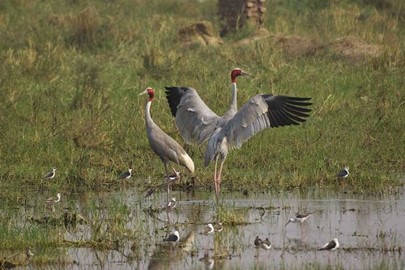
Keoladeo
Keoladeo National Park, a UNESCO World Heritage site in India, is a renowned wetland sanctuary famous for its rich biodiversity and vibrant birdlife. Originally a royal hunting ground, it now hosts over 370 bird species, including migratory waterfowl like the Siberian crane, alongside diverse mammals and reptiles. Its unique mosaic of wetlands, woodlands, and grasslands supports a thriving ecosystem, making it a critical conservation site and a paradise for nature enthusiasts.
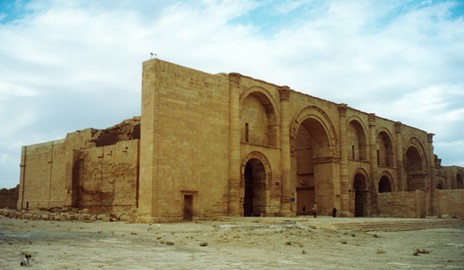
Hatra
Hatra, a UNESCO World Heritage site in Iraq, is an ancient fortified city renowned for its blend of Hellenistic, Roman, and Eastern architectural styles. Established around the 2nd century BC, it features well-preserved temples, statues, and defensive walls that highlight its historical role as a thriving religious and trading center. This desert stronghold reflects the cultural richness of the Parthian Empire and its resilience against invasions.
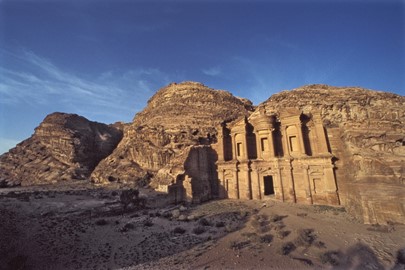
Petra
Petra, a UNESCO World Heritage site in Jordan, is an ancient city renowned for its rock-cut architecture and sophisticated water management system. Carved into rose-red cliffs, its iconic structures, like the Treasury and Monastery, highlight the engineering and artistic prowess of the Nabataean civilization. This archaeological marvel, blending natural beauty with historical significance, served as a thriving trade hub in antiquity.
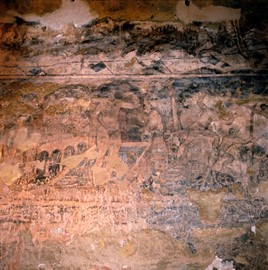
Quseir Amra
Quseir Amra, a UNESCO World Heritage site in Jordan, is a well-preserved desert castle renowned for its unique frescoes and historical significance. Built in the early 8th century, this small structure features vibrant wall paintings depicting scenes of hunting, bathing, and celestial figures, offering a rare glimpse into the art and culture of its time. The site also includes a bathhouse with a sophisticated water system, highlighting ancient architectural ingenuity in a harsh desert environment.
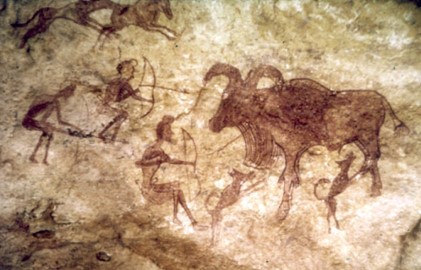
Tadrart Acacus
Tadrart Acacus, a UNESCO World Heritage site in Libya, is renowned for its stunning rock art and dramatic desert landscapes. The site features thousands of ancient paintings and engravings, dating back over 12,000 years, depicting human figures, animals, and daily life from prehistoric times. These artworks offer invaluable insights into the region’s cultural and environmental history, making it a globally significant archaeological treasure.